


How to Use Color Fixer for Clothes at Home: A Step-by-Step Guide
05 Oct 2026
Sample Image Gallery


05 October 2026
30 September 2026
26 September 2026

Custom CMS block displayed at the left sidebar on the Catalog Page. Put your own content here: text, html, images, media... or whatever you like.
There are many similar sample content placeholders across the store. All editable from admin panel.
To use a color fixer for clothes at home, check the garment's care label, separate strongly colored clothes, prepare the fixer according to the product instructions, soak or wash the garment as directed, rinse properly, and dry according to the fabric-care instructions. The right dosage, water temperature, and treatment time depend on the specific product and garment.
A color fixer is mainly used to help manage excess dye release, color bleeding, and transfer during washing. It cannot restore color that has already faded.
A fabric color fixer is used to help reduce the amount of loose dye released from clothing during washing.
This matters most with new or strongly dyed garments. Dark cotton, bright colors, denim, and traditionally dyed fabrics can release excess color, which may stain other clothes in the same wash.
It's useful to understand the difference between these problems:
Fading: the original color gradually becomes lighter.
Color bleeding: dye comes out of the fabric during washing.
Dye transfer: released dye settles onto another garment.
A fixer is mainly used to help manage loose dye and reduce further color loss. It isn't the same as a fabric dye.
When Should You Use a Color Fixer?
A color fixer for clothes can be useful when:
A new garment releases noticeable color during washing.
Dark or bright clothes tend to bleed.
You want to reduce the chance of dye transferring to other garments.
You're treating a fabric that the product is suitable for.
You want to take extra care of a garment whose color you want to maintain.
You don't need to use a fixer automatically on every colored garment. Start with the garment's care label and then check the product instructions.
Test the Garment Before Treating It
Before treating the whole garment, check how its dye behaves.
Wet a small hidden area, such as an inside hem, and press it with a clean white cloth or tissue for around 30 seconds.
If noticeable color transfers, wash the garment separately and consider using a suitable fixer if the product is appropriate for that fabric.
This quick check is particularly useful for new clothes, strong dyes, mixed fabrics, and garments with special finishes.
The exact process varies between products, so the bottle or pack instructions should always take priority.
1. Check the care label
First, make sure the garment can be washed in water.
If the label says dry-clean-only, don't automatically soak the garment in a color fixer. A water-based treatment may not be appropriate for it.
2. Separate strongly colored clothes
Keep dark or strongly dyed garments away from white and pale fabrics.
If a new garment releases a lot of color, washing it separately for the first few washes can reduce the chance of staining other clothes.
3. Prepare the water
Use the water temperature recommended by both the product and garment instructions.
Don't choose hot water simply because you think it will make the treatment work faster. The wrong temperature can affect some fabrics and dyes.
4. Add the fixer according to the instructions
The required amount depends on the product and its intended method of use. Don't guess the dosage or add extra product thinking it will give better results.
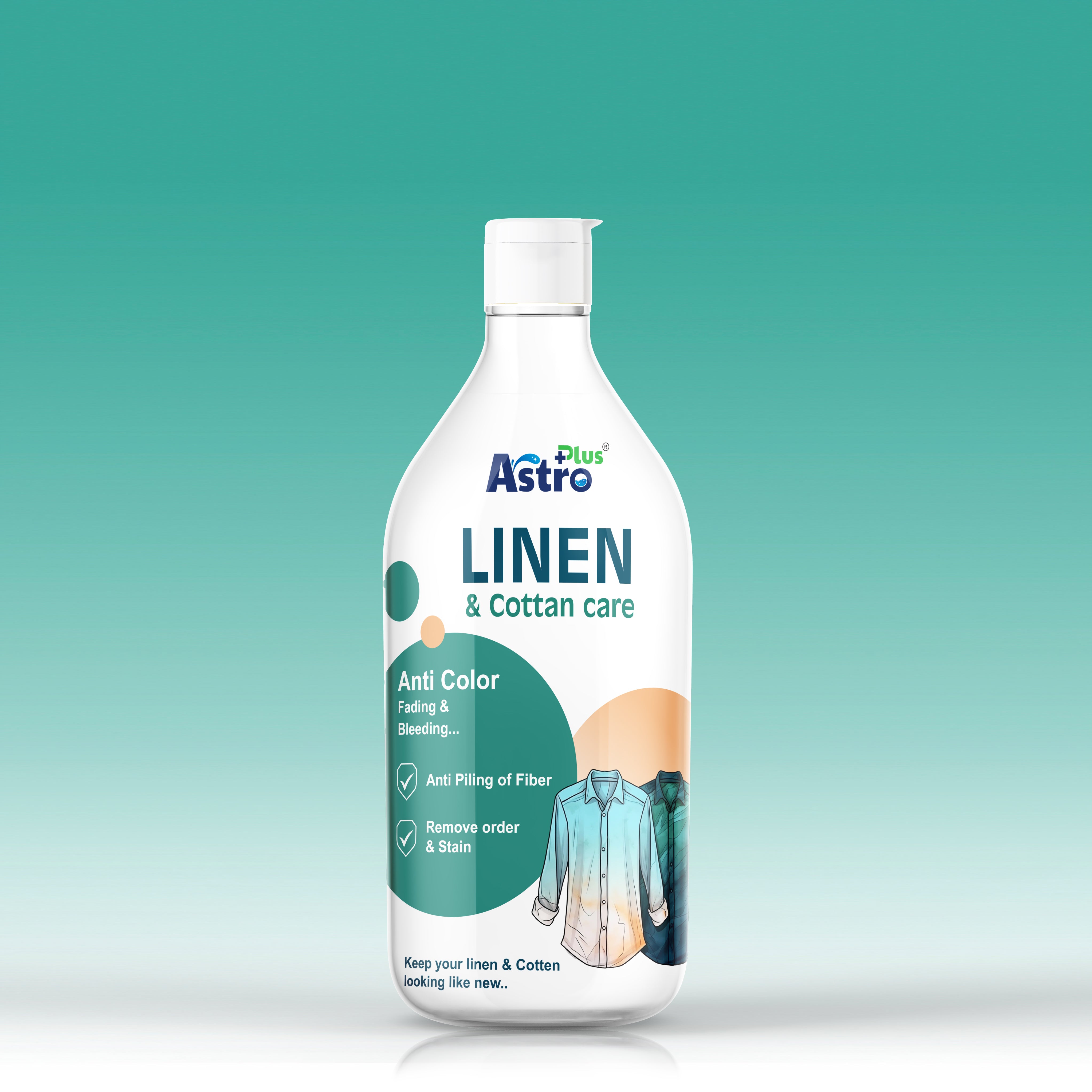
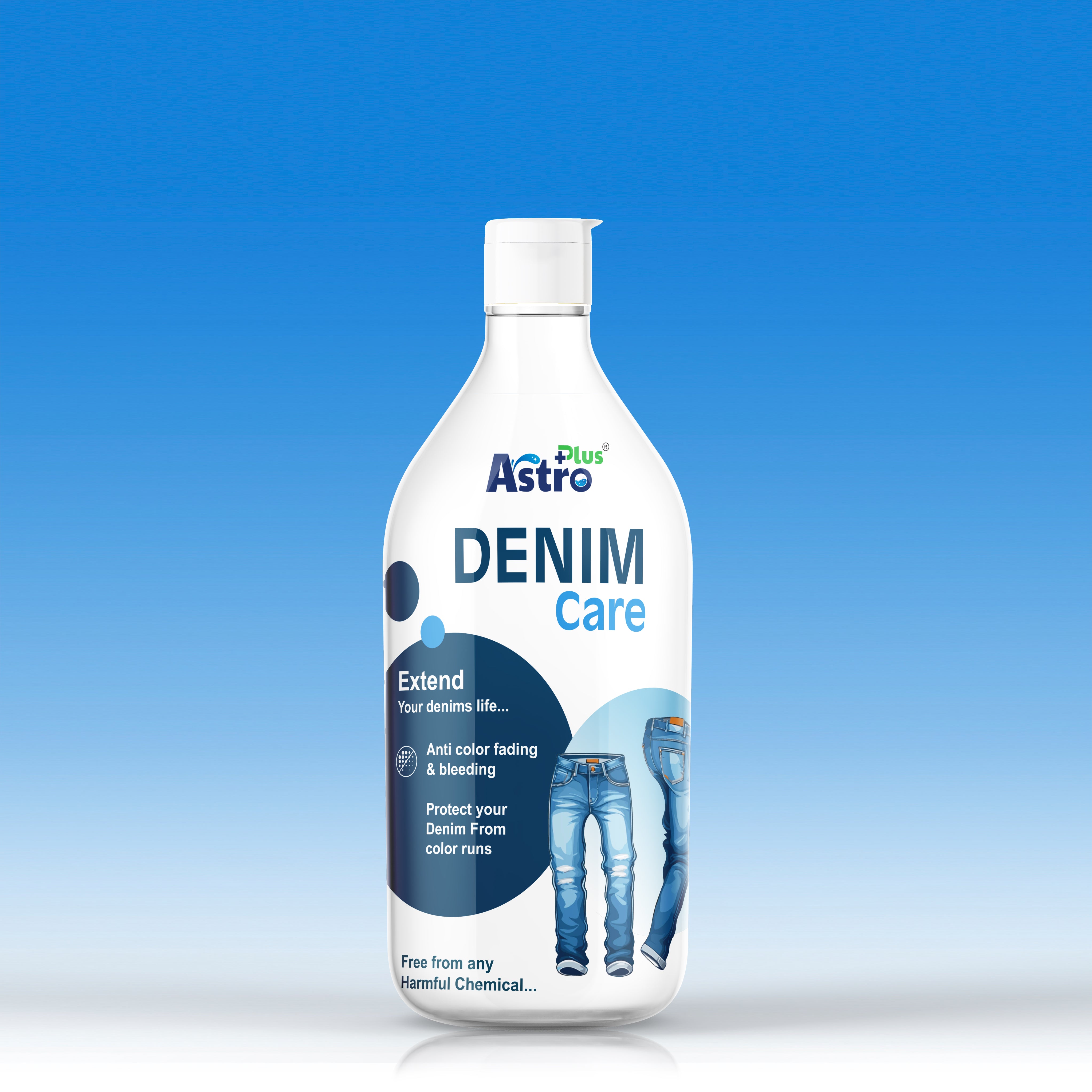
If you're using Astro Plus Fabric Color Fixer , follow the instructions provided with the product packaging for the correct application.
5. Soak or wash as directed
Make sure the garment is properly exposed to the solution. Follow the recommended treatment time and avoid aggressive rubbing or scrubbing.
6. Rinse properly
Rinse the garment according to the product instructions.
If some dye appears in the first rinse, don't automatically assume the garment has been damaged. Continue with the recommended process.
7. Dry carefully
Avoid harsh wringing and follow the garment's drying instructions.
For colored clothing, keeping the garment away from strong, prolonged sunlight can also help reduce unnecessary fading.
It depends on the product.
According to our product information, its fabric color fixer is intended for fabrics including silk, cotton, linen, chiffon, georgette, and jeans. It also states that it can be used for both machine washing and manual bucket washing.
However, that doesn't mean every color fixer is suitable for all of these fabrics. Always check the specific product instructions and the garment's care label before treatment.
Silk, embellished clothing, vintage garments, and fabrics with special finishes may need
extra care.
Using a fixer is only one part of taking care of colored clothes. Your normal washing routine also affects how quickly fabric loses its color.
Turn dark and bright clothes inside out before washing.
Use cold or lukewarm water when the care label permits it.
Wash new dark or strongly dyed clothes separately at first.
Don't leave wet clothes sitting in a bucket or washing machine.
Avoid bleach on colored fabric unless the care instructions allow it.
Reduce excessive rubbing, particularly with dark cotton and denim.
Keep colored clothes away from strong, prolonged sunlight while drying.
A few simple mistakes can work against your efforts to protect the color.
Skipping the care label: A fixer isn't suitable for every garment.
Guessing the dosage: More product doesn't automatically mean better results.
Using very hot water: Heat can increase dye release from some fabrics.
Mixing strongly bleeding clothes: Released dye can settle onto lighter garments.
Scrubbing delicate fabric: Excessive friction can affect the fabric and its appearance.
Expecting a fixer to restore lost color: A fixer helps with dye retention; it doesn't add new dye.
1. Can a color fixer restore faded clothes?
No. A color fixer cannot put dye that has already been lost back into the fabric. If a garment has become noticeably lighter, re-dyeing may be needed to restore its shade, depending on the fabric and type of dye.
A fixer is more useful for helping manage further dye loss and bleeding during washing.
2. How to fix clothes that change color?
First identify why the color changed. If another garment transferred dye onto it, the problem is dye transfer and should be treated accordingly. If the garment itself has become lighter, it's more likely fading.
If the discoloration looks like a bleach mark or chemical damage, don't assume a fixer will solve it. The cause needs to be identified first.
Regular detergent is made to remove dirt, sweat, oils, and other everyday soils from clothing. A color fixer is used as part of color care to help manage unwanted dye release or transfer.
They aren't substitutes for each other. A fixer doesn't replace normal washing, and using extra detergent won't provide the same purpose as a product specifically made for color fixing.
Some products are designed for machine washing, while others are intended for soaking or manual washing. Check the specific product instructions before using one in a washing machine.
Yes, if the garment is washable and the product is suitable for its fabric. New dark or brightly colored clothes can release excess dye during their first few washes, so following the fixer's instructions may help manage that excess dye.
If you're looking for a color fixer for clothes for home fabric care, Astro Plus Fabric Color Fixer is one option.
According to the Astro Plus, it lists the product for silk, cotton, linen, chiffon, georgette, and jeans. It also states that the product is suitable for manual bucket washing and machine washing and is intended to help with fading, bleeding, and cross-staining.
|
Astro Plus Fabric Color Fixer |
Details |
|
Suitable fabrics |
Silk, cotton, linen, chiffon, georgette, jeans |
|
Use |
Manual bucket washing or machine washing |
|
Purpose |
Helps with fading, bleeding and cross-staining |
|
Size |
500 ml |
Looking for a fabric color fixer for home use?
Explore Astro Plus Fabric Color Fixer
Use the product according to its current packaging instructions and the care label of the garment you're treating.
A color fixer is most useful when you're trying to manage excess dye before it becomes a bigger washing problem. New dark clothes, bright fabrics, and garments that release noticeable color can benefit from a more careful washing routine.
Before using one, check the fabric, test for dye transfer when needed, follow the product's instructions, and don't assume that using more product will give better results. And if a garment is already faded, remember that fixing the remaining dye and restoring the original color are two different jobs.
Thanks for subscribing!
This email has been registered!